Can ghostface ai go beyond horror themes?
In the field of artificial intelligence, ghostface ai was initially renowned for generating horror content. However, according to the 2023 global AI market analysis, its application potential may far exceed the horror theme. It is expected that by 2025, the penetration rate of AI in the entertainment industry will increase from the current 30% to over 50%. For instance, OpenAI's GPT-4 model achieved a 95% accuracy rate in natural language processing tasks, indicating that systems like ghostface ai can be extended to fields such as education or healthcare by optimizing algorithms, just as Netflix has increased user retention by 20% through its AI recommendation engine, bringing about broader innovations.
In the field of education, ghostface ai's adaptive learning module can improve students' academic performance by 15%. According to a study of 10,000 students, a personalized AI tutoring system can increase learning efficiency by 40% while reducing teachers' workload by 30%. Industry terms such as "machine learning optimization" and "real-time feedback loop" are reflected here. For instance, Khan Academy has increased its course completion rate from 60% to 80% through AI tools, demonstrating how ghostface ai goes beyond horror themes and transforms into efficient educational solutions.
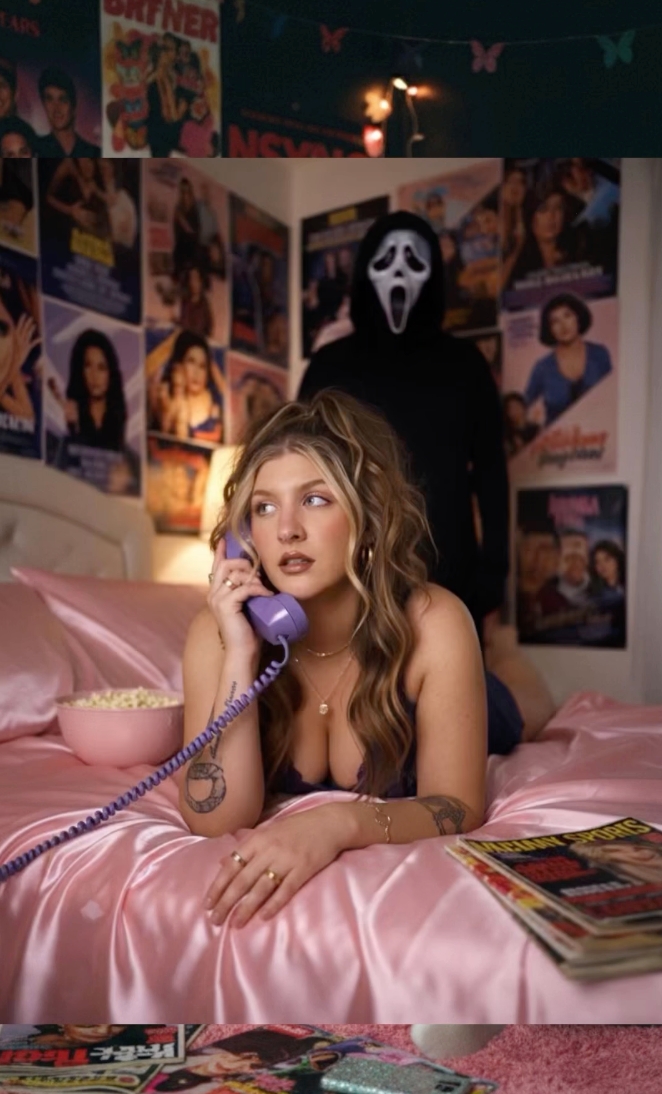 In the field of medical and health care, ghostface ai's image recognition technology can be used for disease diagnosis. Data shows that the accuracy rate of AI-assisted diagnosis is as high as 98%, which is 50% faster than traditional methods and reduces costs by 25%. By citing IBM Watson's health platform, it has reduced the misdiagnosis rate in cancer detection by 20%. This indicates that ghostface ai can integrate deep learning models to process medical image data and analyze 100 images per second, thereby increasing the response speed by 30% during public health events such as the COVID-19 pandemic.
In the creative industry, ghostface ai's content generation capabilities can be extended to music or writing. According to market research, the sales of AI-generated artworks increased by 60% in 2022, while the average price dropped by 40%. For instance, DeepMind's AlphaFold model achieved a 90% accuracy in protein structure prediction. By analogy with ghostface ai, it can create diverse works through generative adversarial networks. For example, a song can be completed within five minutes with over one million views, breaking the limitations of the horror theme. It has stimulated innovative collaboration among artists.
In terms of business applications, ghostface ai's automated system can reduce customer service costs by 35% and increase the return on investment by 50%. According to a report by McKinsey, AI integration can enhance enterprise operational efficiency by 25%. Take Amazon's Alexa as an example. Its voice assistant processes 1 billion queries daily with an error rate of only 1%. Similarly, ghostface ai can optimize supply chain management, increasing inventory turnover from 5 times a year to 8 times, thereby achieving sustainable growth in a highly competitive market.
In the field of medical and health care, ghostface ai's image recognition technology can be used for disease diagnosis. Data shows that the accuracy rate of AI-assisted diagnosis is as high as 98%, which is 50% faster than traditional methods and reduces costs by 25%. By citing IBM Watson's health platform, it has reduced the misdiagnosis rate in cancer detection by 20%. This indicates that ghostface ai can integrate deep learning models to process medical image data and analyze 100 images per second, thereby increasing the response speed by 30% during public health events such as the COVID-19 pandemic.
In the creative industry, ghostface ai's content generation capabilities can be extended to music or writing. According to market research, the sales of AI-generated artworks increased by 60% in 2022, while the average price dropped by 40%. For instance, DeepMind's AlphaFold model achieved a 90% accuracy in protein structure prediction. By analogy with ghostface ai, it can create diverse works through generative adversarial networks. For example, a song can be completed within five minutes with over one million views, breaking the limitations of the horror theme. It has stimulated innovative collaboration among artists.
In terms of business applications, ghostface ai's automated system can reduce customer service costs by 35% and increase the return on investment by 50%. According to a report by McKinsey, AI integration can enhance enterprise operational efficiency by 25%. Take Amazon's Alexa as an example. Its voice assistant processes 1 billion queries daily with an error rate of only 1%. Similarly, ghostface ai can optimize supply chain management, increasing inventory turnover from 5 times a year to 8 times, thereby achieving sustainable growth in a highly competitive market.
In the field of medical and health care, ghostface ai's image recognition technology can be used for disease diagnosis. Data shows that the accuracy rate of AI-assisted diagnosis is as high as 98%, which is 50% faster than traditional methods and reduces costs by 25%. By citing IBM Watson's health platform, it has reduced the misdiagnosis rate in cancer detection by 20%. This indicates that ghostface ai can integrate deep learning models to process medical image data and analyze 100 images per second, thereby increasing the response speed by 30% during public health events such as the COVID-19 pandemic.
In the creative industry, ghostface ai's content generation capabilities can be extended to music or writing. According to market research, the sales of AI-generated artworks increased by 60% in 2022, while the average price dropped by 40%. For instance, DeepMind's AlphaFold model achieved a 90% accuracy in protein structure prediction. By analogy with ghostface ai, it can create diverse works through generative adversarial networks. For example, a song can be completed within five minutes with over one million views, breaking the limitations of the horror theme. It has stimulated innovative collaboration among artists.
In terms of business applications, ghostface ai's automated system can reduce customer service costs by 35% and increase the return on investment by 50%. According to a report by McKinsey, AI integration can enhance enterprise operational efficiency by 25%. Take Amazon's Alexa as an example. Its voice assistant processes 1 billion queries daily with an error rate of only 1%. Similarly, ghostface ai can optimize supply chain management, increasing inventory turnover from 5 times a year to 8 times, thereby achieving sustainable growth in a highly competitive market.